
When Comfort Owusu-Agyemang founded Maagrace Garment Industries Limited in 2003, her vision was to provide sustainable employment and training opportunities, particularly for women in the Eastern region of Ghana. Two decades later, that vision is being realised – probably beyond her wildest dreams. In 2021, after a couple of years of working closely with Comfort and the wider Agyemang family, Ethical Apparel Africa became the company’s majority shareholder.

Pauline Watine, Director of Social Impact and Human Resources, Ethical Apparel Africa
“We were thrilled to be working with such a dedicated family to support their vision for a region that lacks formal employment opportunities,” says Pauline Watine, Director of Social Impact and Human Resources at Ethical Apparel Africa. “The Agyemang family wanted us to take operational control, so our focus was to develop and implement strategies on equipment, recruitment and to structure the company into a more formal organisation. With that vision of growth, we thought there was great potential to do the right thing.”
Healthy environment, happy employees
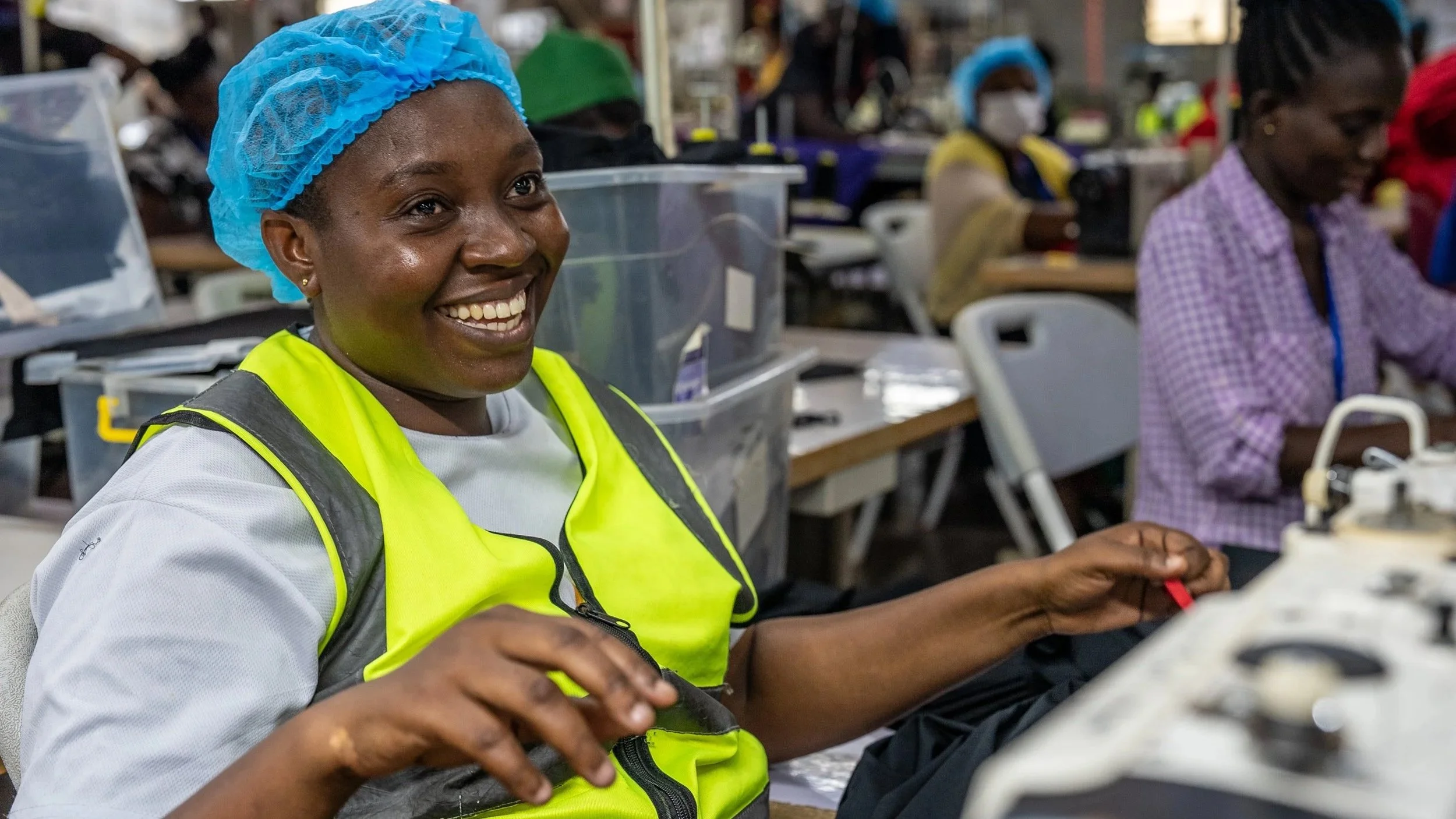
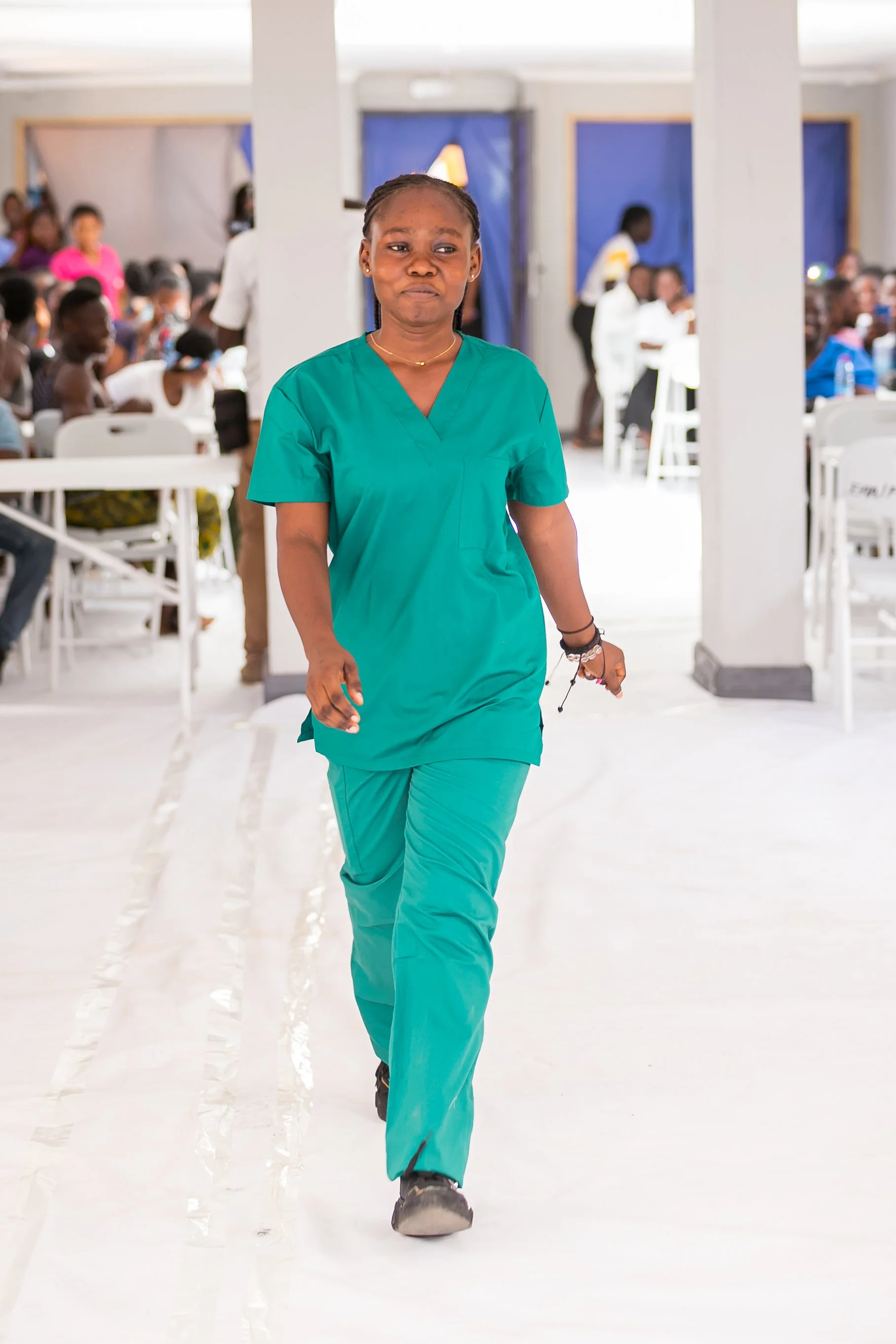
At Maagrace, doing “the right thing” means implementing a just transition strategy: environmental sustainability alongside decent and secure jobs. Maagrace is particularly focused on economic opportunities for women to have stable employment. “We strongly believe that when you support a woman and she’s empowered and able to sustain her family, it benefits the whole household and the whole community,” Pauline says. In practice, this means having women ambassadors, who engage with and advocate for employees or offer ideas to improve production and work structures. Women in leadership positions or in training as mechanics offer real-life role models demonstrating to other women what could be next for them.
The largest employer in Ghana’s Eastern Region
Maagrace, which specialises in the production of underwear, fleece and workwear, has seen exponential growth, increasing its workforce from 50 in 2019 to nearly 1,000 today. This makes the factory, located in Koforidua, the largest employer in the region. But the company’s ambitions do not end here: the expectation is to create another 1,000 jobs in the next few years. Key to realising this ambition is an investment made by Growth Investment Partners (GIP) Ghana, an investment platform established by British International Investment, in May 2025. This investment is supporting the 3,100 square metres expansion of Maagrace’s factory, which is reaching completion, more than doubling its capacity through new production equipment and warehousing space.
GIP Ghana invested in Maagrace to:
boost export capacity and women’s employment
support expansion of factory
double production capacity through new equipment and warehouse space
unlock more than 1,000 job opportunities
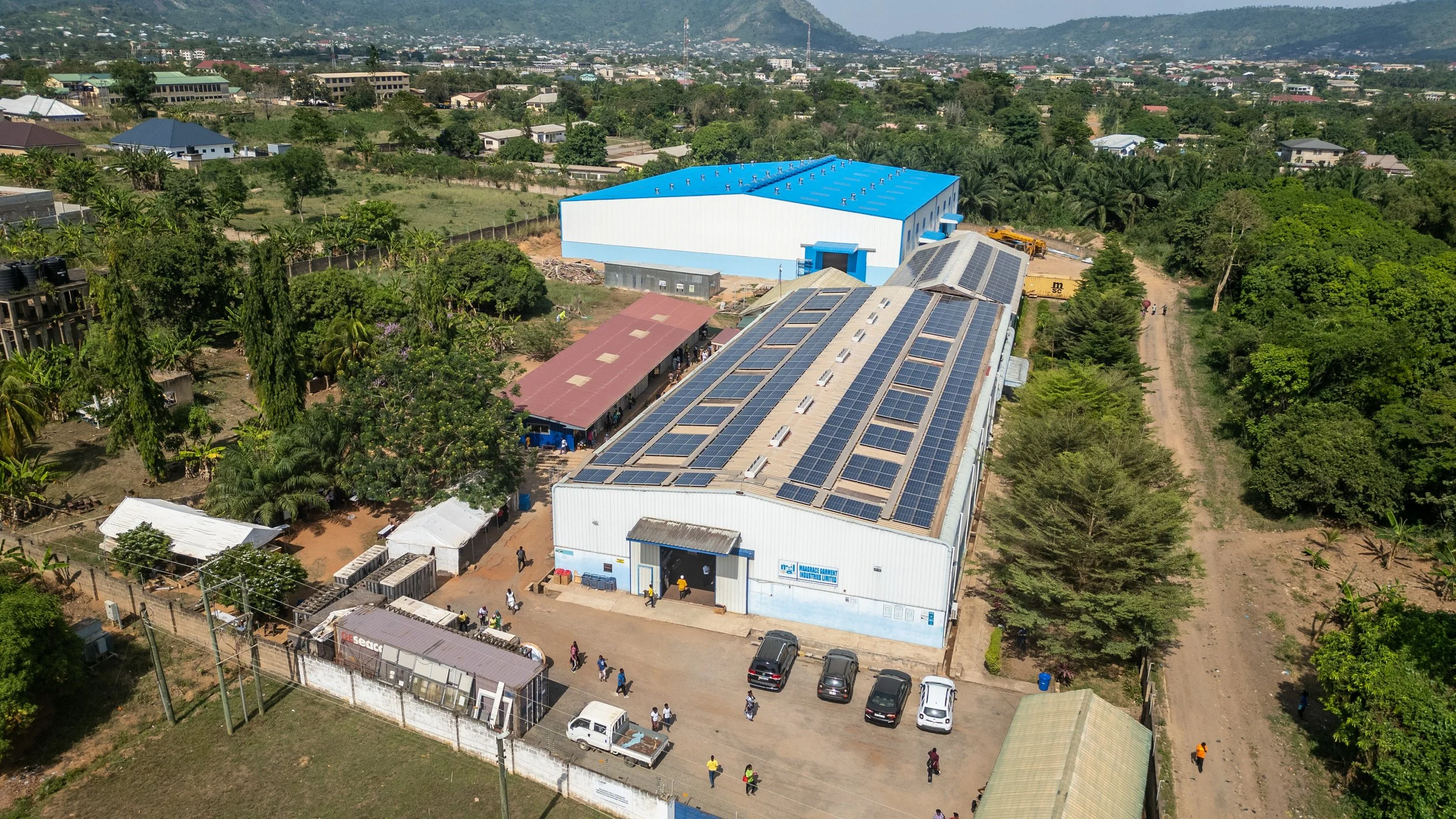
The newly expanded Maagrace factory in Koforidua
When Maagrace installed solar panels in 2022, the company produced ‘how to’ case studies for other factories to learn from their processes, and doing the “right thing” also played a huge role in the expansion. “We felt that we could go above and beyond right from the beginning by taking environmental factors and heat stress into consideration,” says Pauline. “Endorsing a just transition is very important for us, so with this new building, it was an excellent opportunity to bring in evidence and expertise, which will in turn inspire others in the country and the region”
EDGE certification: globally recognised, World Bank Group-supported
With the support of Ghana Investment Support Programme (GhISP), the expansion shifted from a standard construction process toward a more resource-efficient pathway. To achieve this, GhISP brought in Solid Green, a South African green building consultancy firm, to guide Maagrace through the process of obtaining EDGE (Excellence in Design for Greater Efficiencies) certification. The Solid Green team of engineers has supported Maagrace in every step of the certification process through resource-efficiency modelling and decision-making across the three EDGE pillars of energy, water and materials.
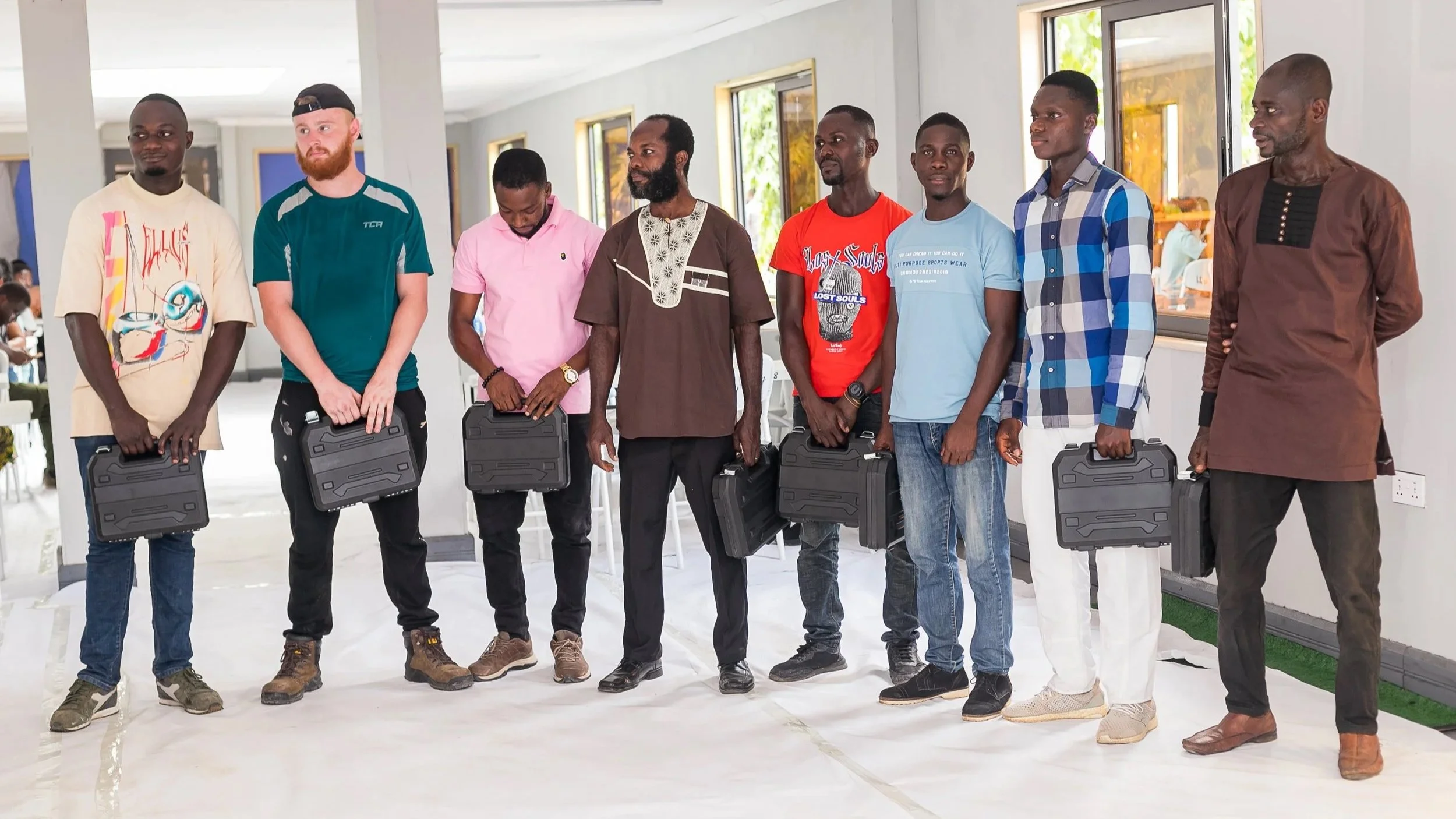
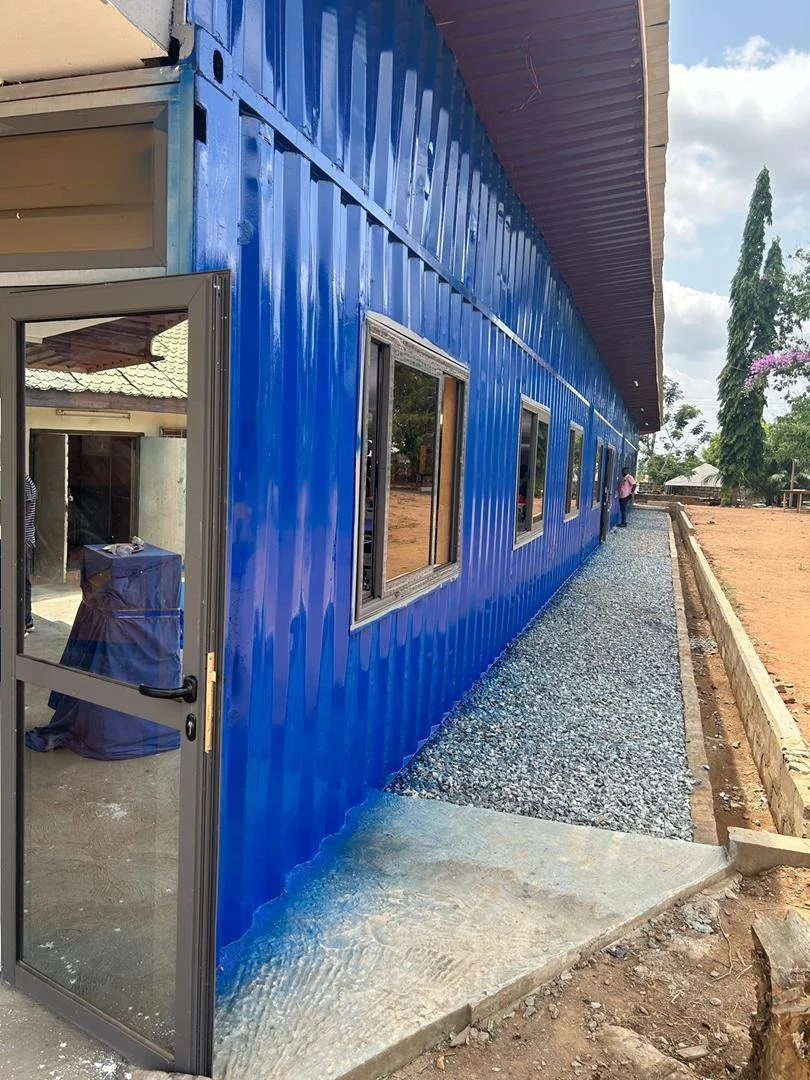
The Maagrace maintenance team who built the factory’s new employee well-being centre
Pauline continues, “The technical assistance team provided us with very practical and detailed insights to reduce energy consumption and costs — right down to how to position the windows to take advantage of the natural light and choosing the best air circulation options. All decisions were based on evidence and adapted to consider the heat and humidity levels in Ghana. It’s been so interesting to see how we can have a positive impact on what we build, how we use energy and how we can moderate the heat with sometimes slight adjustments.”
With just some fine-tuning left to do, Maagrace will submit all their data by the end of June and hope to have successfully passed the audit and achieve EDGE certification by October 2026.
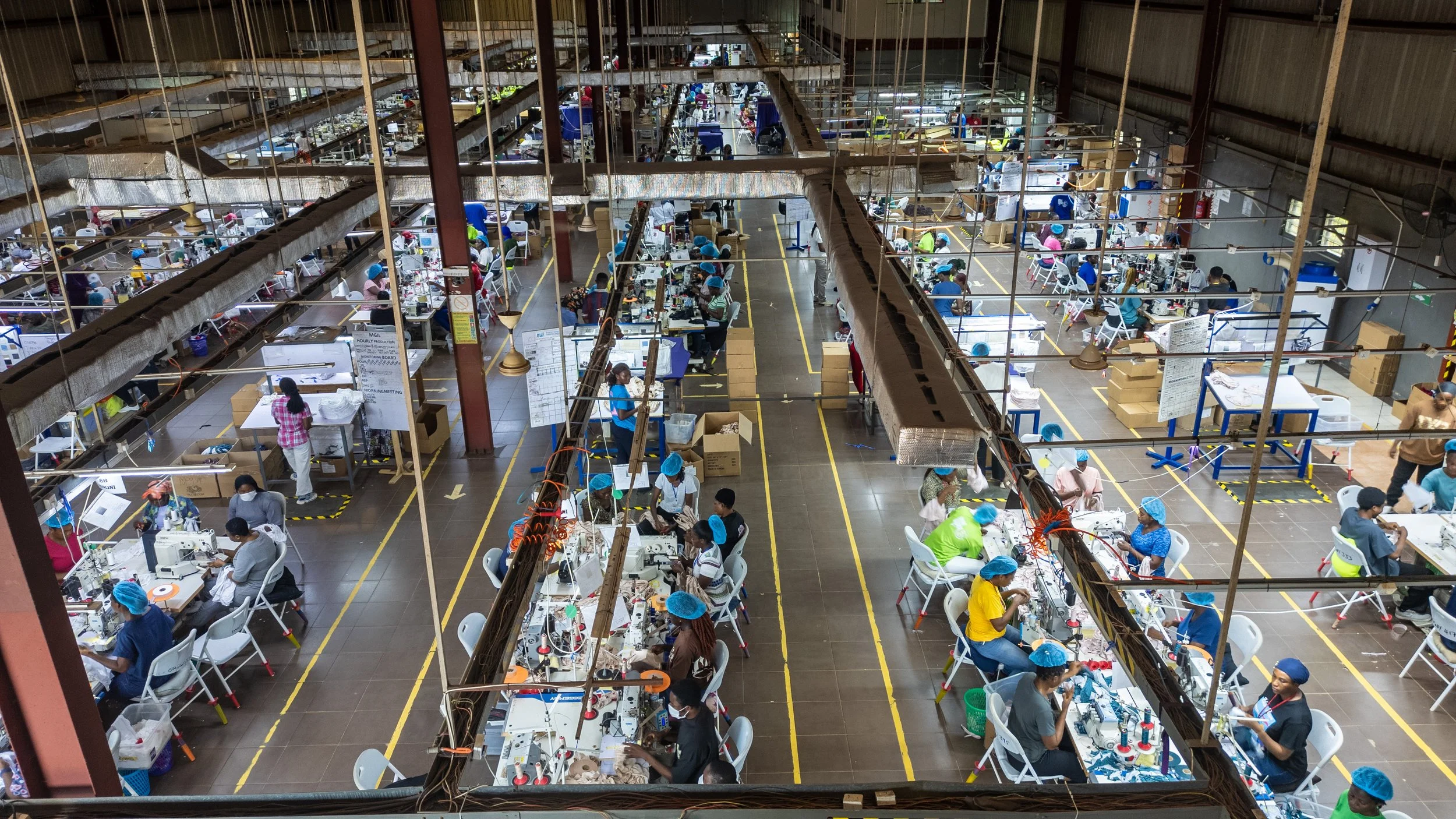
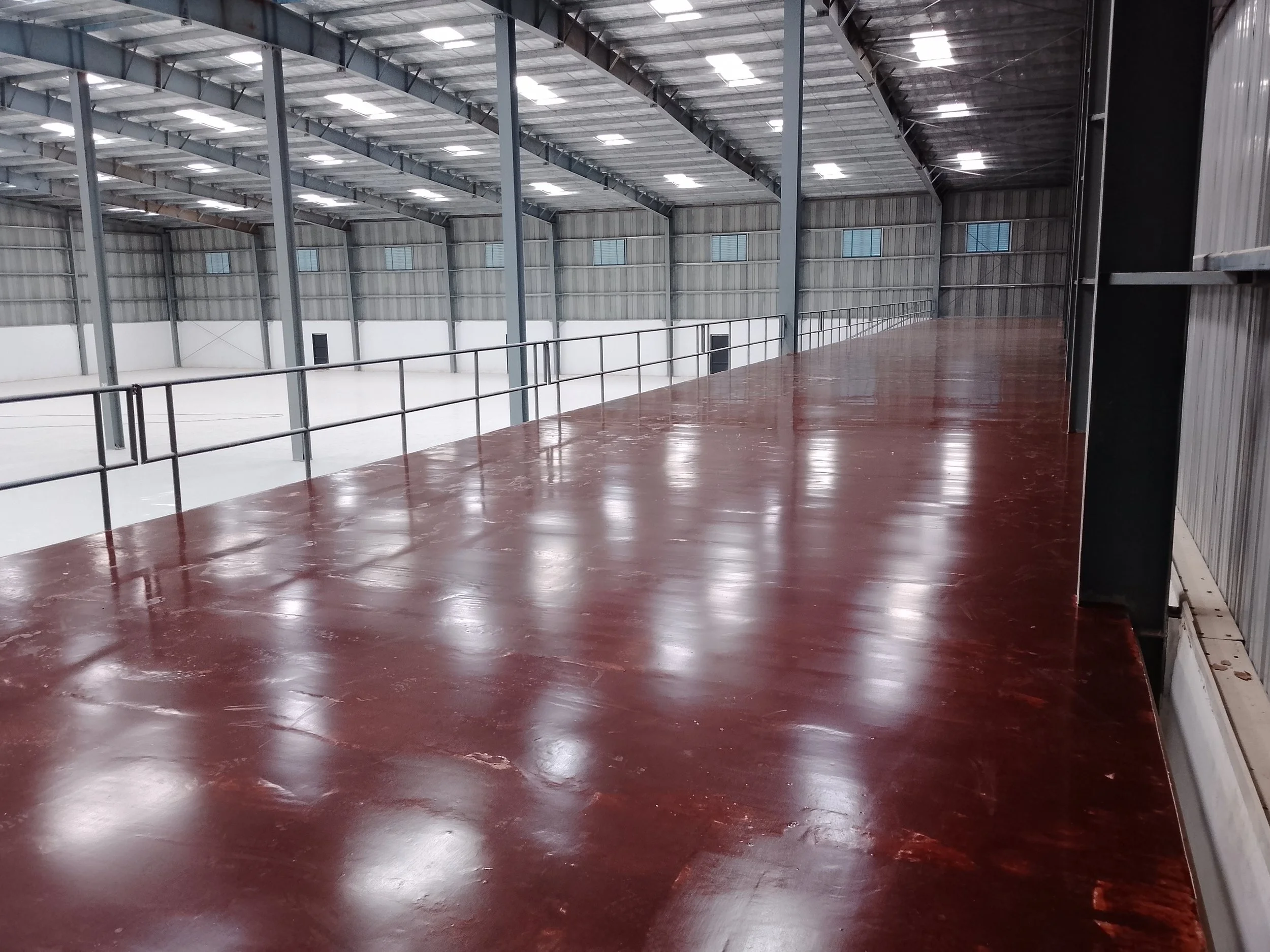
More than saving on energy consumption and improving the work environment, the EDGE certification will also significantly strengthen Maagrace’s position with international buyers. According to Pauline, brands are increasingly aware and sensitive about just transition and environmental performance — even where it’s not a direct requirement. “I think that the EDGE certification will differentiate Maagrace from other companies. It will certainly strengthen buyer confidence in the fact that we truly care about the environment.”
A model factory
But Maagrace isn’t set on keeping this competitive advantage to itself. “We want to show the way to other factories,” Pauline says. “That is really something close to our hearts: to build Maagrace as a model factory and an open lab where others can come and learn. We are already doing that in terms of promoting women’s inclusion and opportunities, demonstrating how to effectively create career ladders for everyone, and with the solar panel case studies. Now, I feel we are also equipped to share lessons on sustainable building and EDGE certification.”
Pauline’s enthusiasm is palpable. “I’m just very grateful for all that we have learned and excited for what’s ahead. I hope that brands will see the potential and be ready to shift to West Africa, because the opportunities here are huge!”
Learn more about Maagrace and its journey and ambitions here.